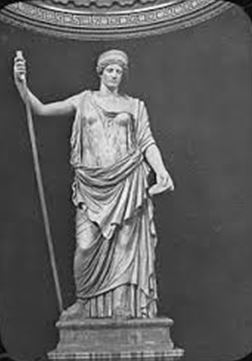
The origins of this celebration can be traced back to the Roman period when a holiday was observed on the 14th February to honour Juno, the Queen of Roman gods and goddesses, she was also seen as the goddess of women and marriage.
On the following, the Feast of Lupercalia would begin. During this festival the custom to bring boys and girls together who were usually strictly separated was followed. Girls names were written on slips of paper which were then placed in a jar. He boys would then draw from the jar to choose the girl.
Valentine was a priest who secretly married couples when Emperor Claudius II had cancelled all engagements and marriages, as he was convinced that men were not joining the army because they did not want to leave their wives and families.
When his defiance was discovered, he was beaten and put to death on 14th February, c.270AD. After his death he was named a Saint.
Around 498AD Pope Galasius declared 14th February as St. Valentine’s Day to honour the martyr and to end the pagan celebrations of the Feast of Lupercalia.