New Years’ Eve Traditions

Around the world we celebrate the end of the year with parties and fireworks leading up to the midnight countdown.  In London Big Ben chimes out, in New York the Times Square Ball drops, fireworks light up Sydney Bridge in Australia, and Hogmany is celebrated in Scotland.

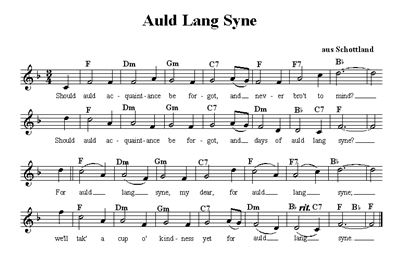
Auld Lang Syne:

A Scottish poem written in the 1700’s, and associated with Robert Burns.  Originally a Scottish tradition it is now sung around the world, particularly in English speaking countries, as misdnight is indicated.

Fire Festivals:

Up Helly Ae – Shetlands

Stonehaven Fireball Festival – Scotland

Comrie Flambeaux Procession – Scotland

Allendale Tar Barel Festival – Northumberland


First Footing:

Traditionally the first dark-haired male to enter through the front door of the home on the 1st January (usually as close after the stroke of midnight as possible).  He will bring gifts, usually of coal, drink, coins, bread, salt and greenery

He would take with him a pan of dust of fire ashes to signify the passing of the old year.
New Year’s Resolutions:

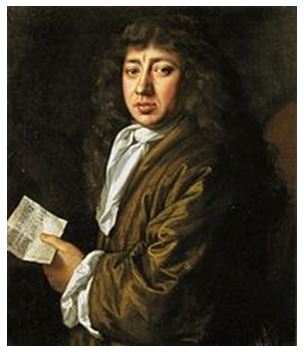
How long this tradition has been in practice is not known, however Samuel Pepys on 31st December 1661 wrote:

“I have newly taken a solemn oath about abstaining from plays and wine, which I am resolved to keep according to the letter of the oath which I keep by me.”


Did he keep it – or like most of us lapsed within a few days/weeks ?


Calennig:

The Welsh tradition of New Year gift giving, consisting of an apple with three twig legs stuck with dry fruit, cloves and a spry of evergreen stuck into the top.  A decoration given to friends and family and displayed on the window sill or shelf for good luck to the house.

This Article was first published in PastSearch Newsletter Issue 25, January 2015

Posted in Article and tagged 2015, Arcticle, Auld Lang Syne, Calennig, Fire Festivals, First Footing, Issue 25, January, New Year’s Resolutions, New Years' Eve, Newsletter, PastSearch, Samuel Pepys, Traditions.